

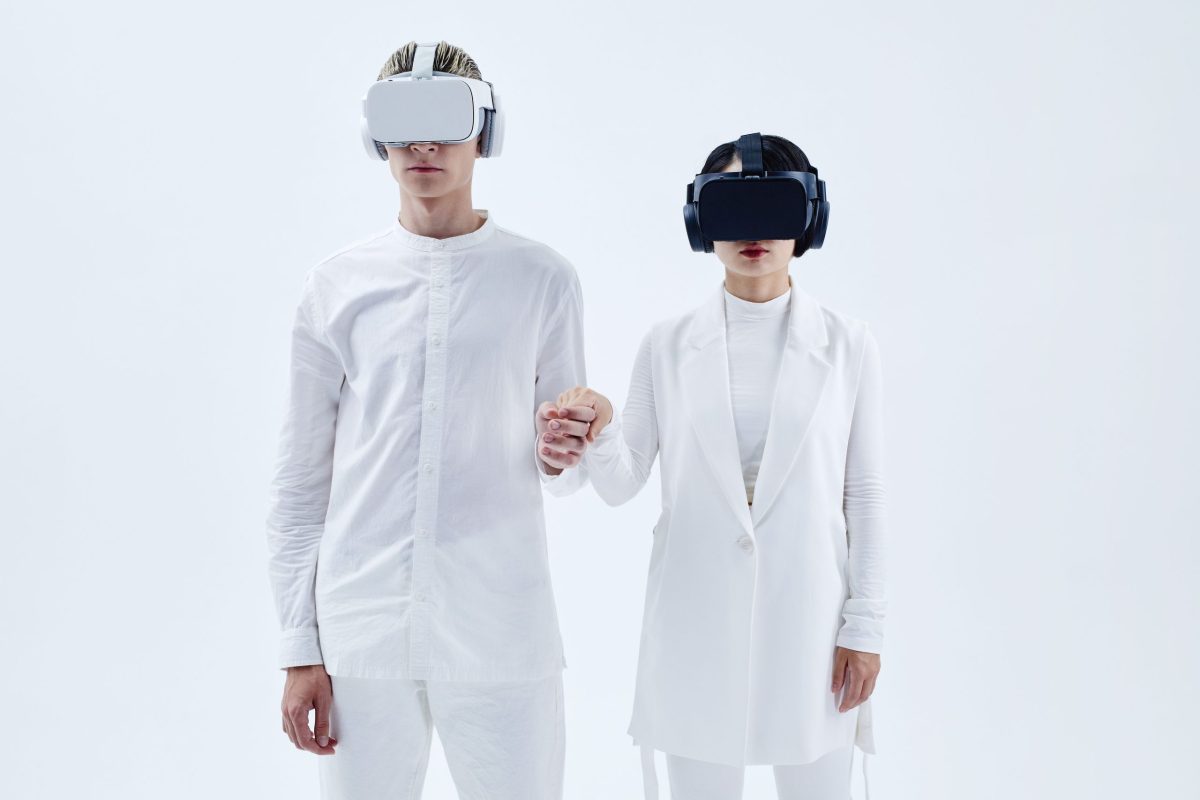
Technology is changing the way people learn, work, play, and communicate. One of the most exciting innovations in this digital era is virtual reality, a technology that allows users to experience computer-generated environments in an immersive way. Instead of simply watching something on a screen, people can feel as if they are inside a digital world.
Today, VR is becoming increasingly popular in gaming, education, healthcare, real estate, and professional training. It creates interactive experiences that can make digital activities more engaging and realistic. As technology continues to improve, virtual experiences are becoming more accessible to individuals and businesses around the world.
What Is Virtual Reality?
Virtual reality is a technology that uses specialized devices and software to create a simulated three-dimensional environment. Users can explore this environment through a VR headset, controllers, and other compatible equipment.
The primary goal of VR is to make digital experiences feel more natural and immersive. For example, a user can explore a virtual museum, walk through a simulated building, or practice a particular skill without physically visiting the location.
Unlike traditional screens, which present information from a fixed viewpoint, vr reality experiences can allow users to look around and interact with digital objects. This makes the experience more personal, engaging, and interactive.
How Does VR Technology Work?
The technology behind VR combines hardware and software to create an immersive experience. Different components work together to make virtual environments appear and respond realistically.
1. VR Headsets
A VR headset displays digital images in front of the user’s eyes. Many headsets use separate images for each eye to create a sense of depth, helping virtual objects appear three-dimensional.
2. Motion Tracking
Motion-tracking systems detect the movement of a user’s head, hands, or body. When someone turns their head or moves their controllers, the virtual environment responds accordingly.
3. Controllers and Sensors
Controllers help users interact with virtual objects. Depending on the equipment, they may allow users to pick up objects, operate virtual tools, navigate environments, or perform other actions.
4. Specialized Software
Software creates the digital environments, objects, sounds, and interactions that make virtual reality possible. Advanced graphics and responsive controls can make these environments feel more convincing.
When these components work together, users can experience a digital world that responds to their movements and actions.
Major Applications of Virtual Reality
The use of virtual reality extends far beyond entertainment. Many industries are exploring this technology to improve learning, training, customer experiences, and productivity.
1. Virtual Reality in Gaming
Gaming is one of the most recognized applications of VR. Instead of controlling a character from a traditional screen, players can enter a virtual environment and interact with it more directly.
VR games may offer realistic movement, immersive sound, and interactive surroundings. These features can make gameplay feel more engaging and give players a different way to experience their favorite genres.
2. Virtual Reality in Education
Education is another area where virtual reality can make a meaningful difference. Students can explore historical locations, observe scientific concepts, or experience simulated environments that would otherwise be difficult to access.
For example, a science teacher could use a virtual model to explain the human body, while geography students could explore different landscapes. These experiences can support classroom learning when combined with effective teaching methods.
3. Virtual Reality in Healthcare
Healthcare professionals can use VR for certain training exercises, medical simulations, rehabilitation programs, and selected therapeutic applications.
Medical students may practice procedures in simulated environments before working with real patients. Some healthcare providers also use virtual experiences as part of carefully designed treatment or rehabilitation programs.
The suitability of these applications depends on the clinical purpose, available evidence, and professional guidance.
4. Virtual Reality in Real Estate
The real estate industry can use virtual reality to offer immersive property tours. Potential buyers and renters may explore the layout of a house, apartment, or commercial building without being physically present.
This can save time and help people understand a property’s design before arranging an in-person visit. Virtual tours can be particularly useful when customers are considering properties in other cities or countries.
5. Virtual Reality in Employee Training
Businesses can use VR to create realistic training scenarios for employees. Industries such as manufacturing, aviation, construction, and logistics may use simulations to help workers practice specific tasks.
These simulated environments can allow employees to repeat procedures, develop confidence, and learn how to respond to challenging situations in a controlled setting.
Benefits of Using Virtual Reality
The growing popularity of virtual reality comes from its ability to create interactive experiences that traditional digital tools may not provide.
Some important benefits include:
- Immersive experiences: Users can feel more involved in a simulated environment.
- Interactive learning: Students can explore concepts through practical virtual activities.
- Flexible training: Employees can practice tasks in controlled digital settings.
- Remote exploration: People can experience virtual tours without traveling to a physical location.
- Creative possibilities: Designers, developers, and artists can build and explore digital spaces.
- Repeatable simulations: Certain training scenarios can be repeated without recreating the physical setup.
Although these benefits can be valuable, the results depend on the quality of the experience and how effectively it is used.
What Is the Difference Between VR and Traditional Digital Experiences?
Traditional digital experiences usually involve interacting with content through a computer monitor, smartphone, or television. Users can watch videos, browse websites, or play games while remaining aware of their physical surroundings.
In comparison, VR is designed to create a stronger sense of presence inside a digital environment. A headset can surround the user’s field of view, while motion tracking allows the virtual scene to respond to head movements.
The term vr reality is sometimes used informally when people search for immersive digital experiences. However, virtual reality is the standard name for the technology, and VR is its widely recognized abbreviation.
Not every virtual experience requires the same equipment. Some systems offer simple viewing experiences, while others provide advanced movement tracking and detailed interactions.
Challenges and Limitations of VR Technology
Despite its advantages, virtual reality still has limitations that users should understand.
Equipment Costs
Some VR systems require specialized headsets, compatible computers, controllers, or additional accessories. These requirements can make advanced experiences expensive for some users.
Physical Comfort
Extended use may cause discomfort, eye strain, dizziness, or motion sickness in certain individuals. Taking breaks and following device safety guidance can help reduce discomfort.
Limited Physical Awareness
A headset can reduce awareness of nearby furniture, walls, pets, and other obstacles. Users should choose a clear, safe space before starting an experience.
Technical Requirements
High-quality VR experiences may require suitable hardware, updated software, and a stable setup. Technical limitations can affect image quality, responsiveness, and overall immersion.
Content Availability
The usefulness of a VR system also depends on the applications and experiences available for it. Not every educational subject, game, or professional activity has a suitable virtual alternative.
The Future of Virtual Reality
The future of virtual reality may bring more comfortable headsets, improved visual quality, better tracking, and increasingly realistic digital environments. Developers are also exploring ways to combine VR with artificial intelligence, spatial computing, and collaborative online experiences.
In education, future applications may provide more interactive learning environments. Businesses may expand their use of simulations for training and product demonstrations, while designers could use immersive tools to develop and evaluate digital models.
However, the growth of VR will depend on factors such as affordability, accessibility, user comfort, and the availability of useful content. The most successful applications will likely be those that solve real problems rather than simply introducing new technology.
Conclusion
Virtual reality is changing how people interact with digital content by creating immersive environments that support exploration, learning, entertainment, and professional training. From gaming and education to healthcare and real estate, this technology offers opportunities to make selected activities more interactive and engaging.
Although challenges such as equipment costs, comfort, and technical requirements remain, continued development may make VR more useful and accessible over time. Understanding what vr reality means and how virtual environments work can help individuals and businesses decide where this technology can provide genuine value.
As digital innovation continues, virtual reality is likely to remain an important part of the conversation about the future of technology.